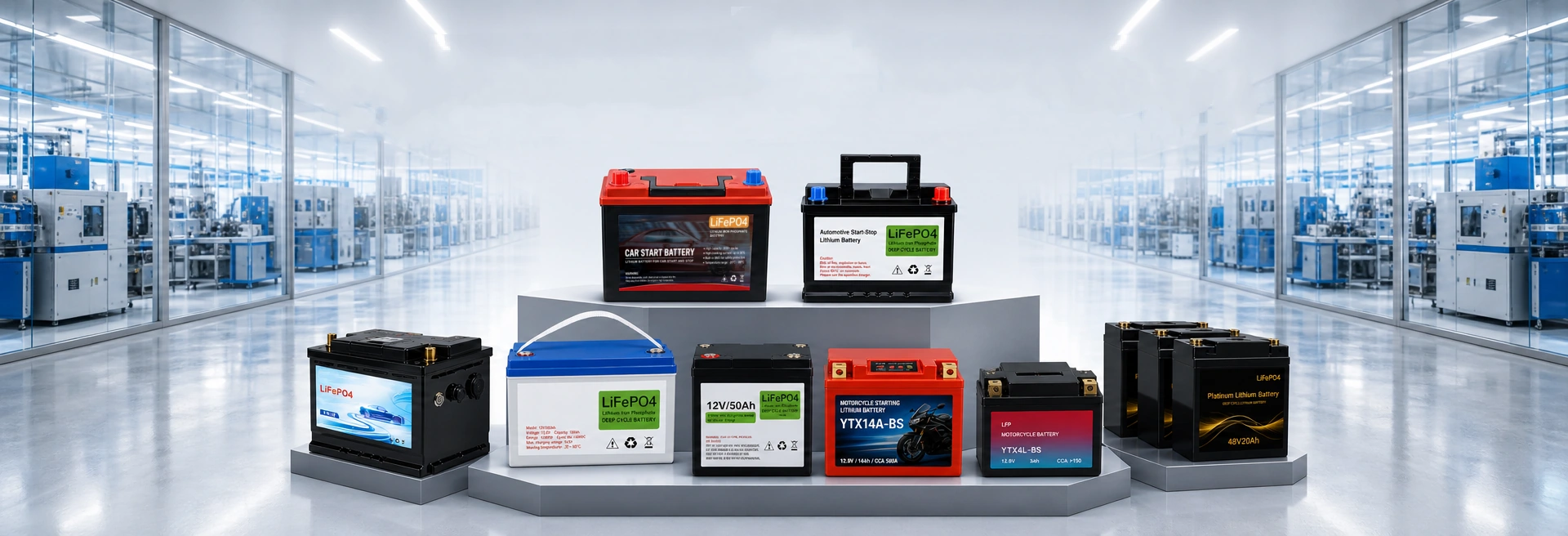
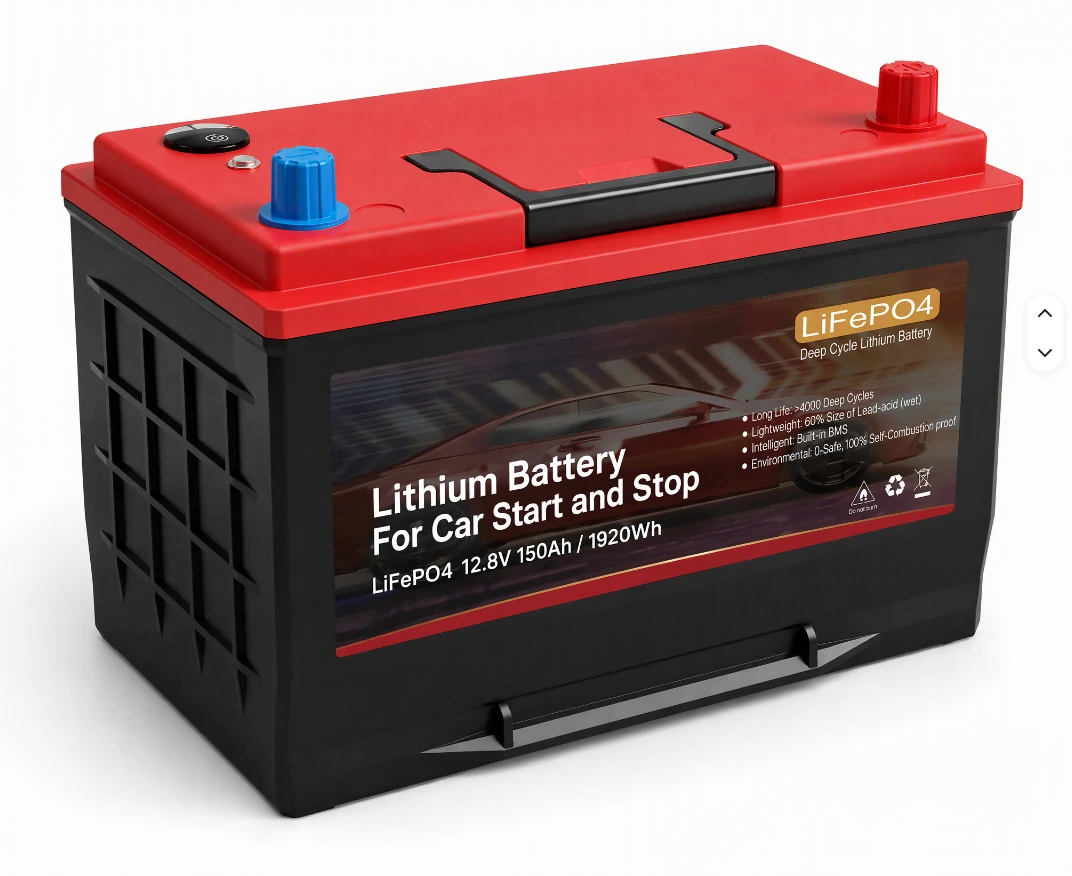
Automotive Starter Batteries
Lithium starter batteries for passenger cars and start-stop applications. Compare case sizes, terminal layouts, and cranking ratings.
Explore range
Huizhou Chude Technology supplies automotive starter and start-stop batteries, motorcycle and powersports starter batteries, and LiFePO4 battery packs for distributors and private-label brands.
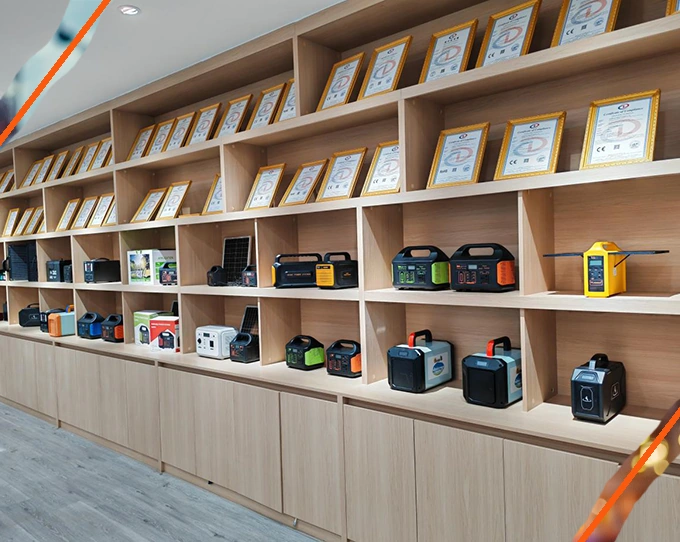
Compare starter batteries for cars and powersports, LiFePO4 battery packs, and portable power stations.
Lithium starter batteries for passenger cars and start-stop applications. Compare case sizes, terminal layouts, and cranking ratings.
Explore range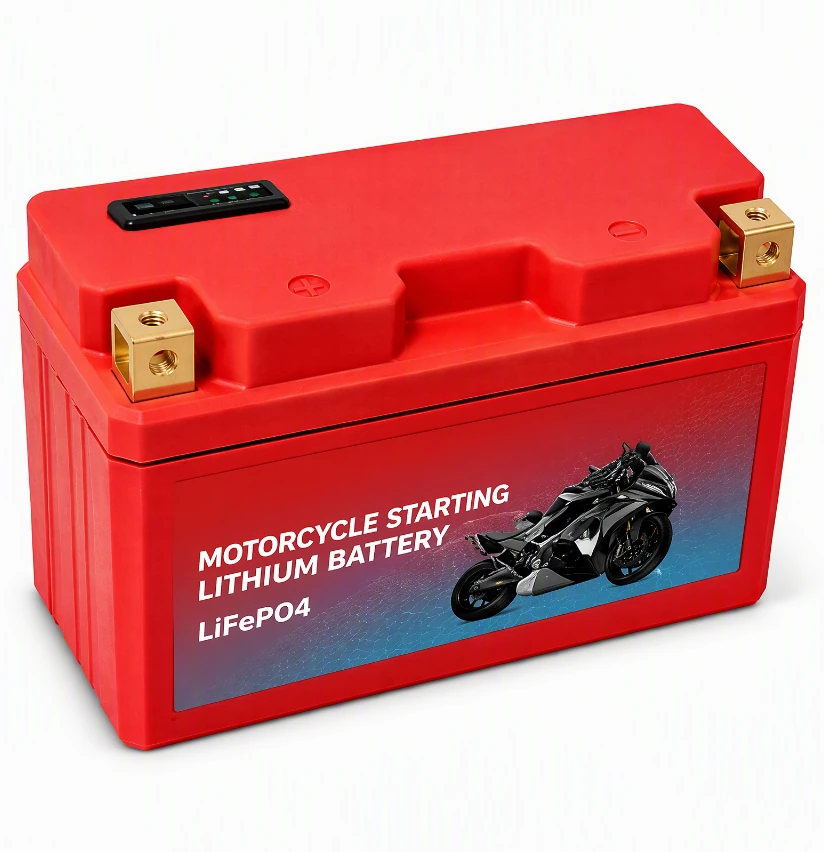
Compact motorcycle starter batteries and portable jump starters. Compare fitment, terminal position, and starting ratings.
Explore range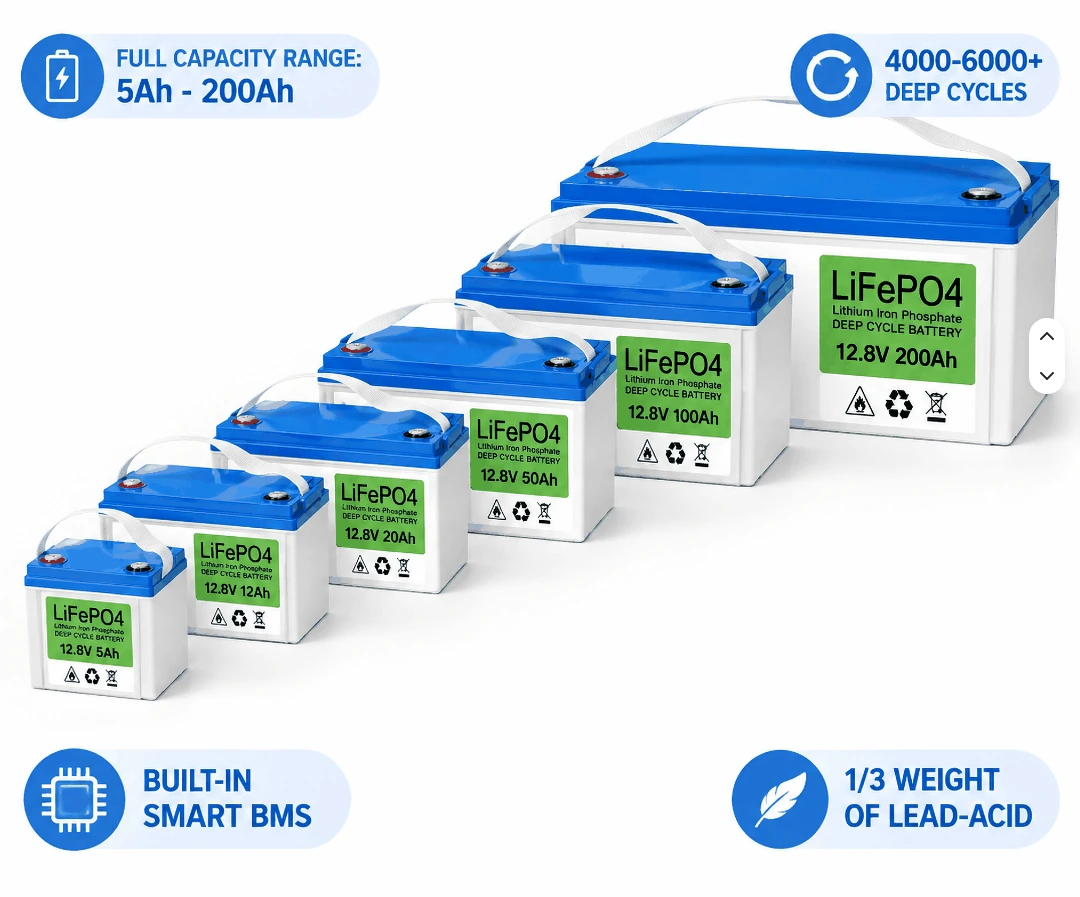
Deep-cycle LiFePO4 batteries and expansion modules for solar storage, RVs, and marine applications. Compare voltage and capacity by model.
Explore range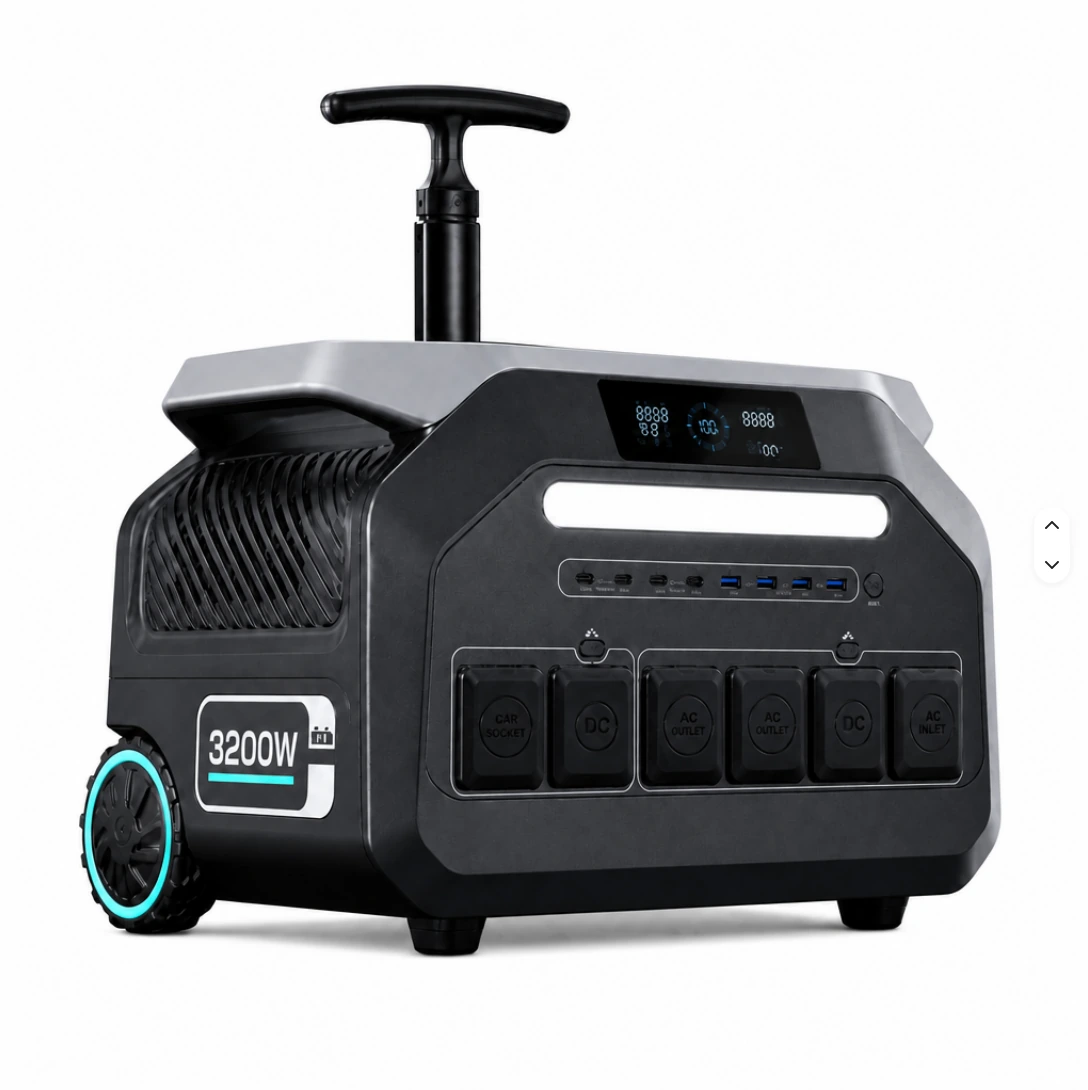
Portable solar generators for camping, mobile work, and backup power. Compare models by output, battery capacity, and charging options.
Explore range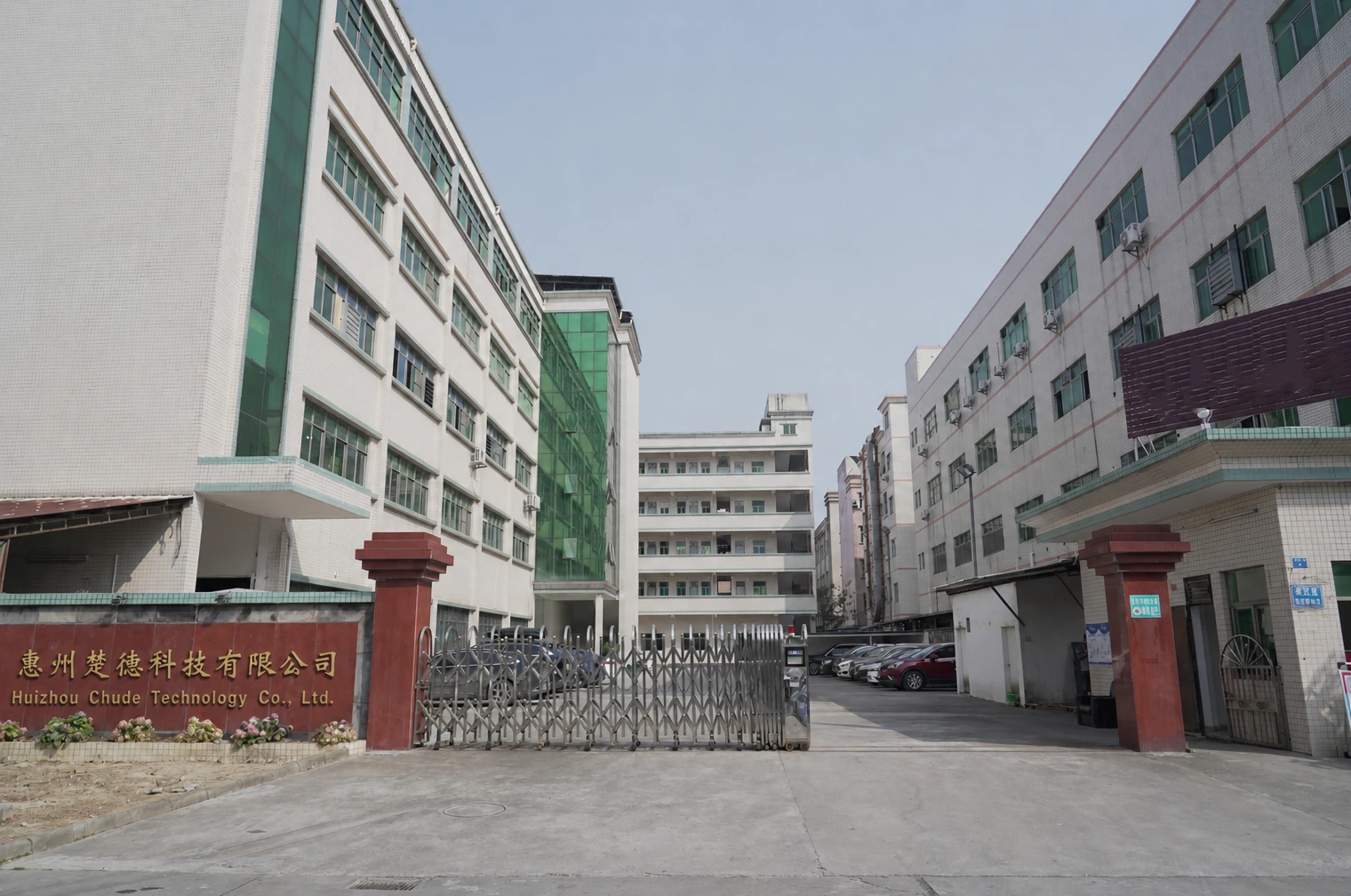
Our 9,000 m² facility has 20,000 m² of usable floor area, with engineering areas, SMT workshops, testing labs, and an in-house logistics fleet.
Explore our automotive starter and start-stop batteries, motorcycle and powersports batteries, and LiFePO4 battery packs. We also list portable power stations and support OEM and ODM inquiries.
We manage product development, SMT assembly, precision assembly, multi-stage quality control, and after-sales service in-house.
Daily production capacity is 4,000–6,000 units. Typical lead times are 3–15 days for standard unbranded products and 25–30 days for customized OEM/ODM orders.
Step inside the people, processes, and production lines behind your next power solution.
Discover our manufacturing processSlide 4 Overview: Seamless in-house coordination from hardware engineering and automated SMT placement to battery cell grading, multi-line assembly, and 100% full-unit burn-in testing.
In-house hardware architecture, smart BMS algorithm design, pure sine wave inverter optimization, and custom LCD controller firmware.
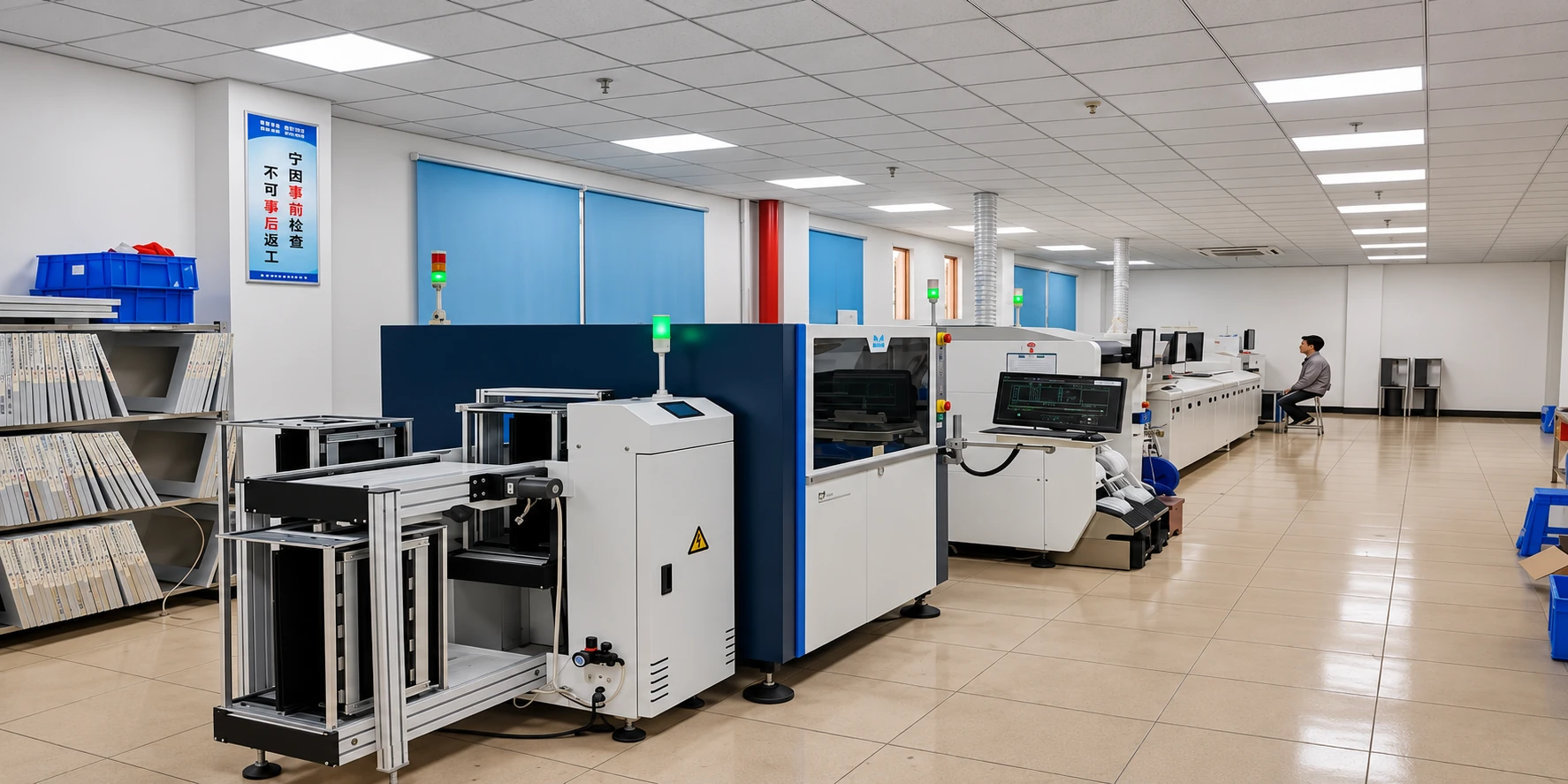
High-speed automated surface-mount placement, nitrogen-shrouded dual-wave soldering, and sequential DIP through-hole manual insertion.
Dual chemistry manufacturing: in-house lead-acid battery fabrication plus tier-1 cylindrical LiFePO4 cell grading, IR matching, and automated spot welding.
Flexible 3-line production: assembly Lines A & B operate daily, while scalable Line C activates for rapid peak-season order expansion.
Every single unit undergoes a strict 3-charge / 3-discharge deep cycle test under rated load in dedicated aging cabinets to isolate early failures.
Station 1 functional verification + Station 2 timestamped serial labeling (YYYYMMDD-HHMM-SN) and drop-certified protective carton packaging.
Explore our multi-level production infrastructure (Levels 1F to 5F). Every workstation is photographed and verified from our official Canton Fair factory audit.
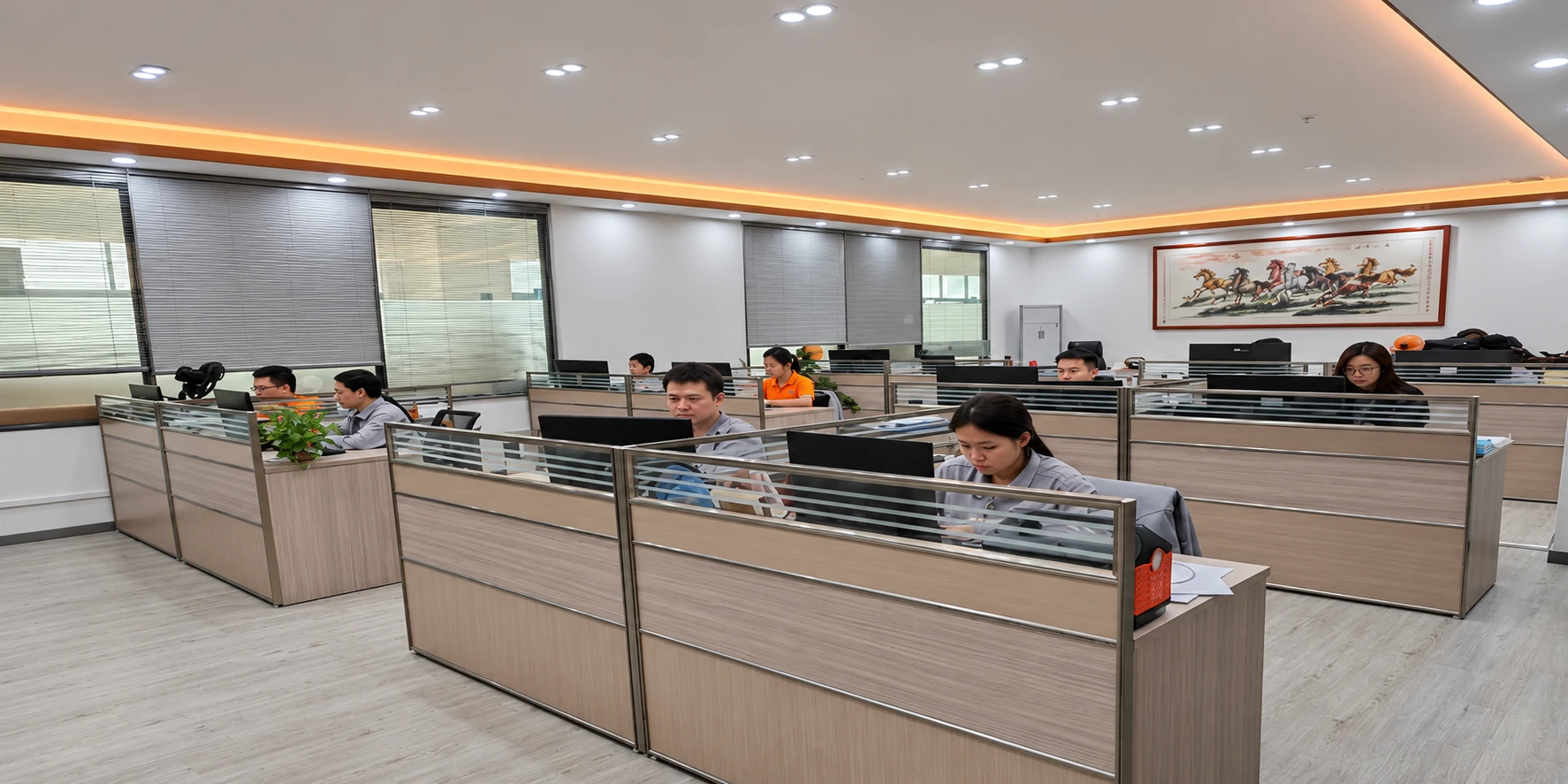 Office Suite01 / 10
Administrative and engineering hub coordinating international B2B inquiries, OEM/ODM orders, and production schedules.
Level 1F & 5F02 / 10High-speed automated surface-mount placement lines producing inverter, BMS control, and battery protection PCBA boards.
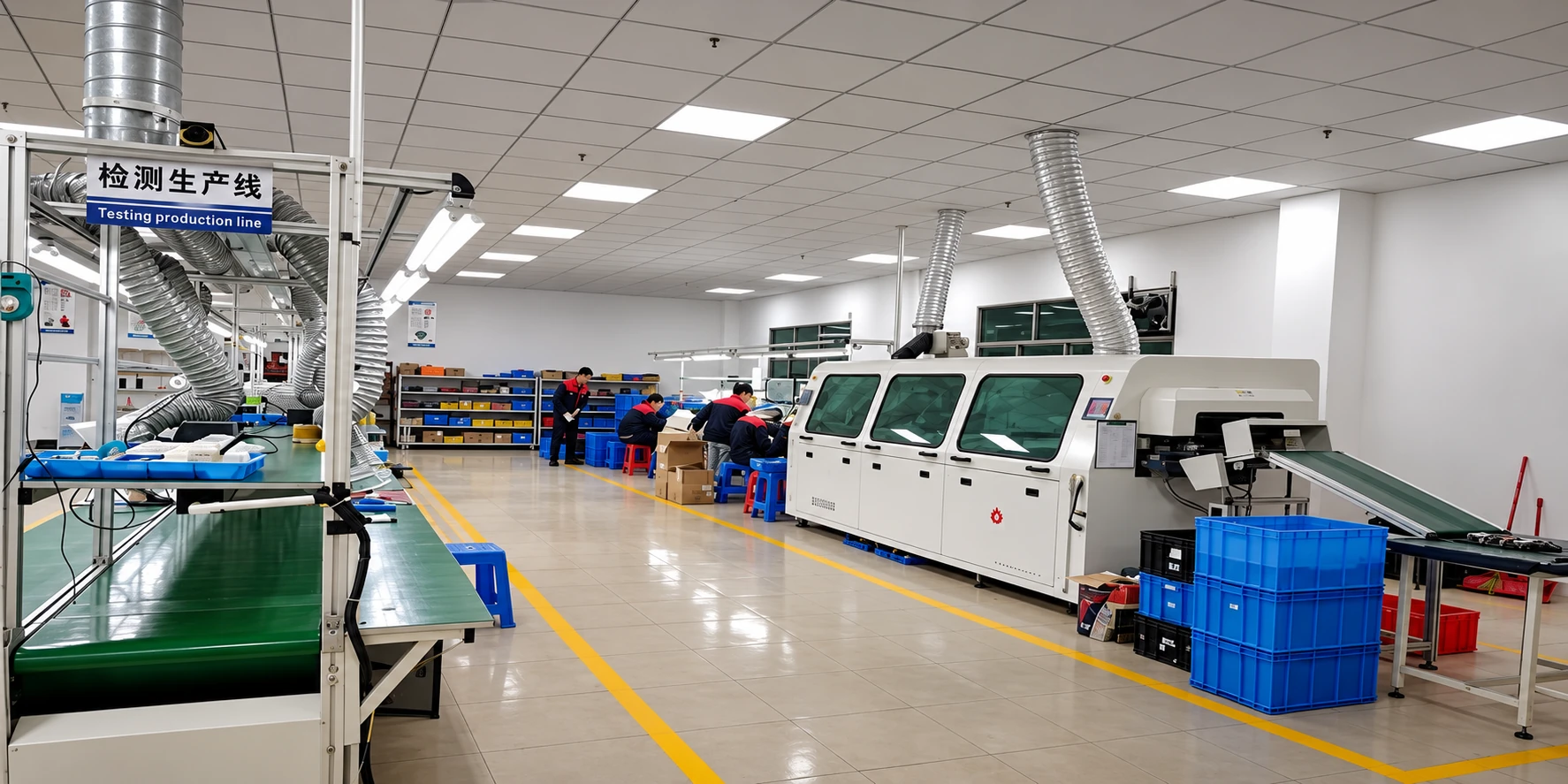 Level 5F03 / 10
Automated dual-wave soldering line dedicated to high-current power components, heavy copper MOSFETs, and power transformers.
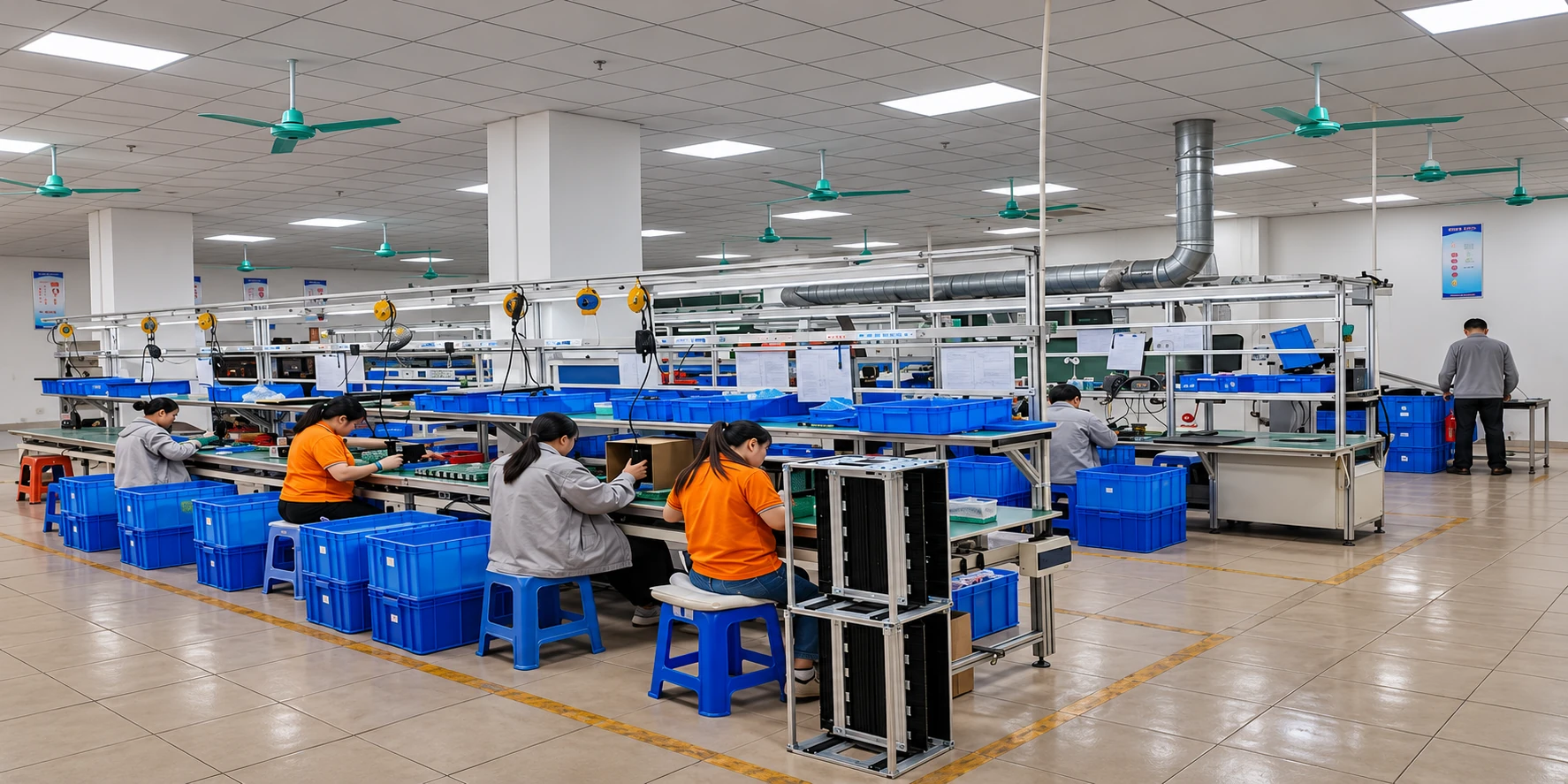 Level 5F04 / 10
Sequential manual component insertion workstations with ESD anti-static mats and standardized component positioning jigs.
Slide 19 Quality Protocol: Every Chude power station runs through 3 complete deep charge & discharge cycles under full rated load to eliminate infant mortality and guarantee <0.2% defect rate.
Simulation Overview: Finished power station is connected to high-precision AC power bank. CC/CV multi-stage charging initiates until 100% State of Charge (SoC). BMS monitors cell balance and delta-voltage.
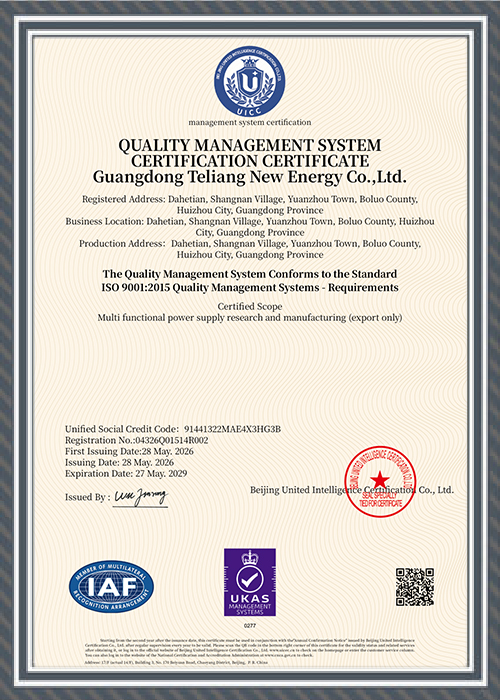
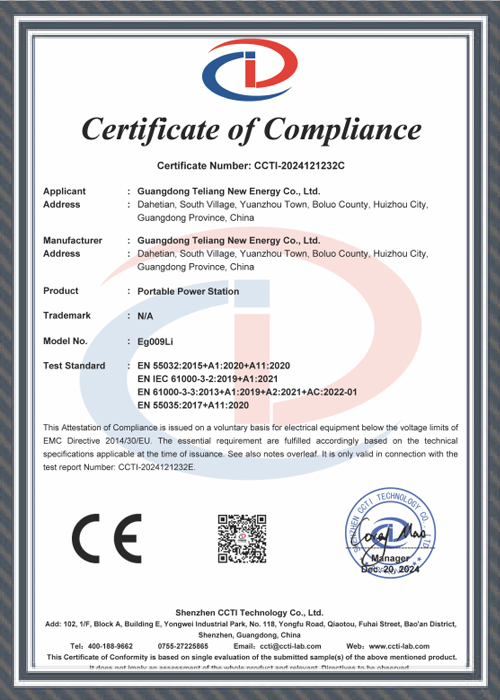
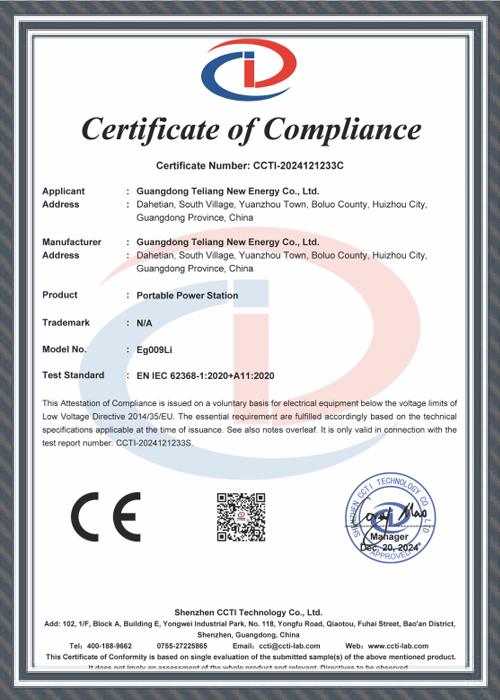
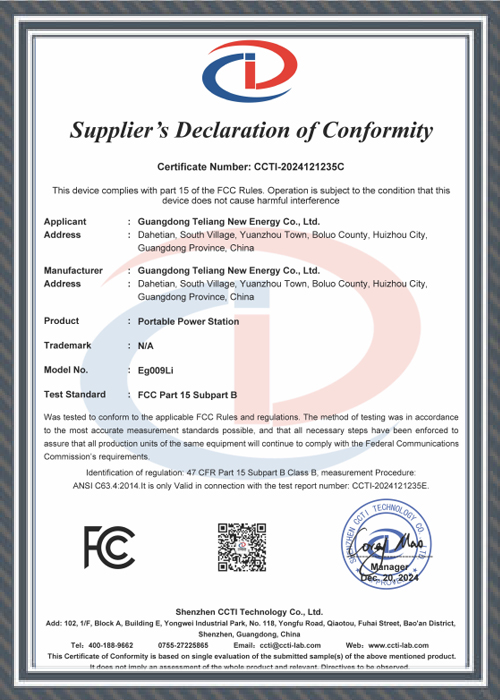
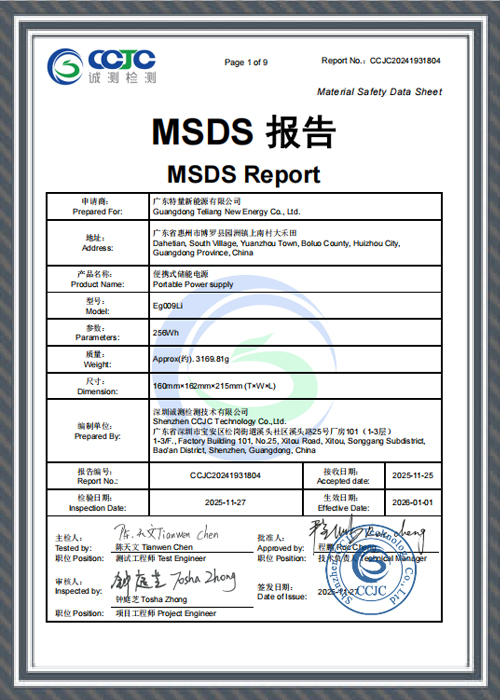
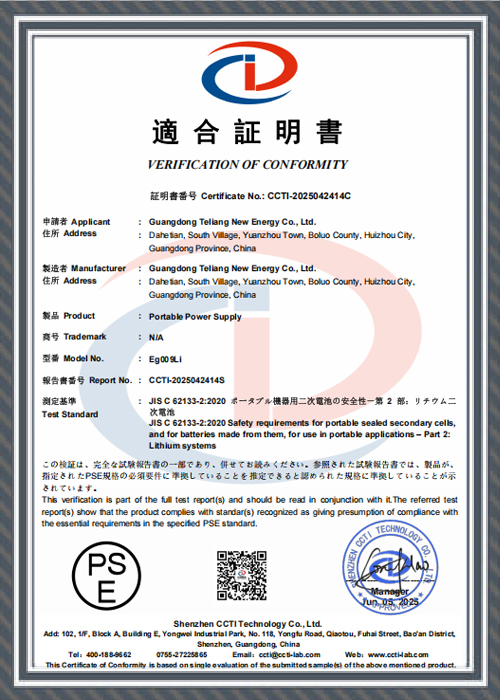
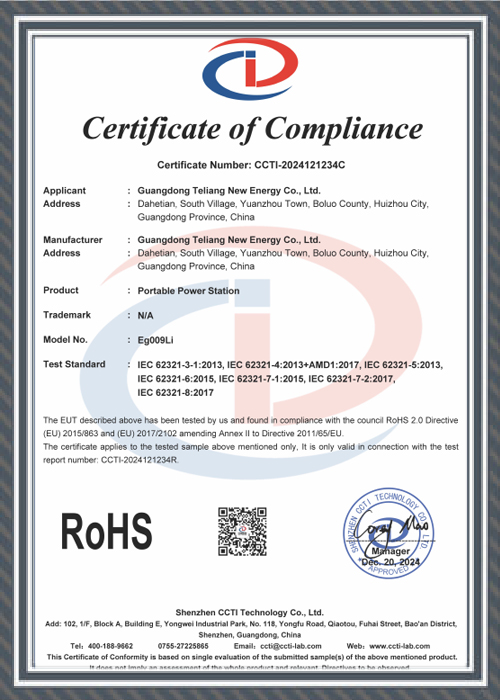
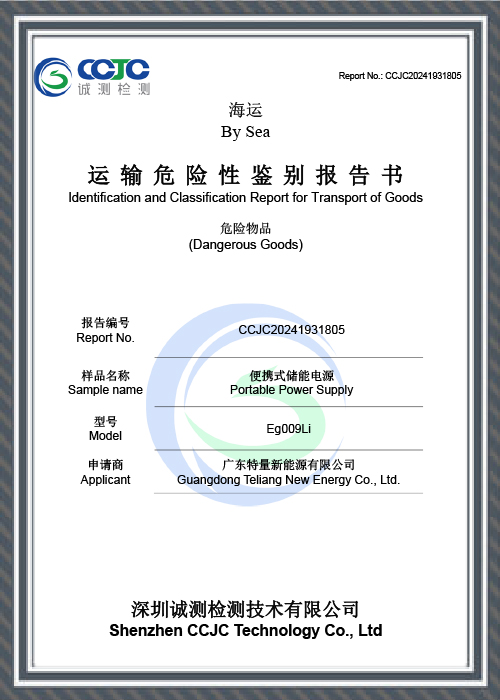
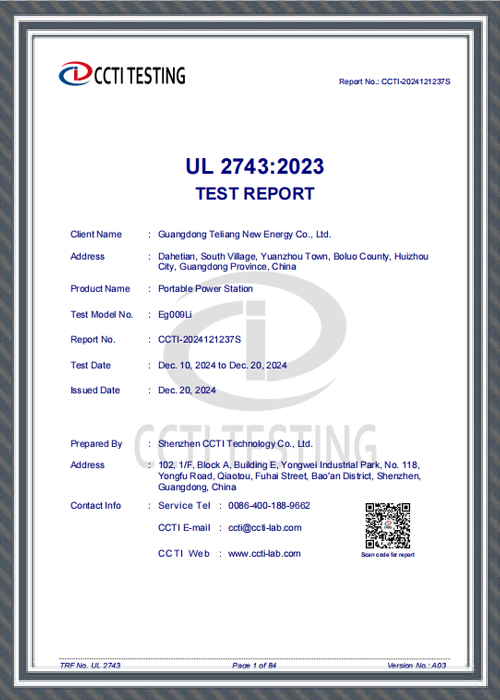
Explore branding, packaging, and regional socket options for your product range.
Confirm the base model, battery capacity, output, ports, firmware, and enclosure changes.
Agree on logo placement, labels, carton artwork, accessories, and manual languages.
Confirm sample costs, tooling fees where applicable, and what needs written approval before production.
Inquire for pricing tiers by model and customization, plus sample and production lead times.
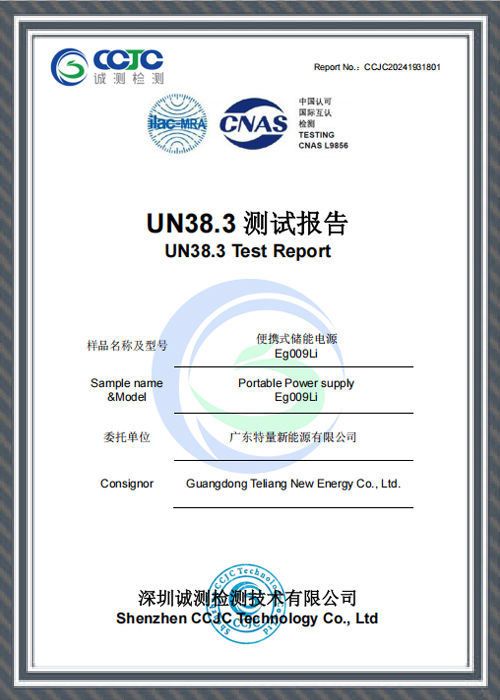
Identify the destination market, required test reports, and documents for the exact configuration.
Confirm pricing, payment, delivery terms, warranty coverage, spare parts, and who handles returns.
Final options and terms depend on the model, order quantity, and destination market.
Explore the OEM/ODM processShare your target market, application, model or fitment requirements, and estimated order quantity.